
Imagine coming home after a long day, eager to relax, only to feel the squish of a still-wet carpet underfoot. It’s more than just discomfort; it’s a potential disaster for your home. Drying carpets quickly after cleaning is crucial to prevent mold, mildew, and odors, ensuring your home remains a safe and pleasant environment.
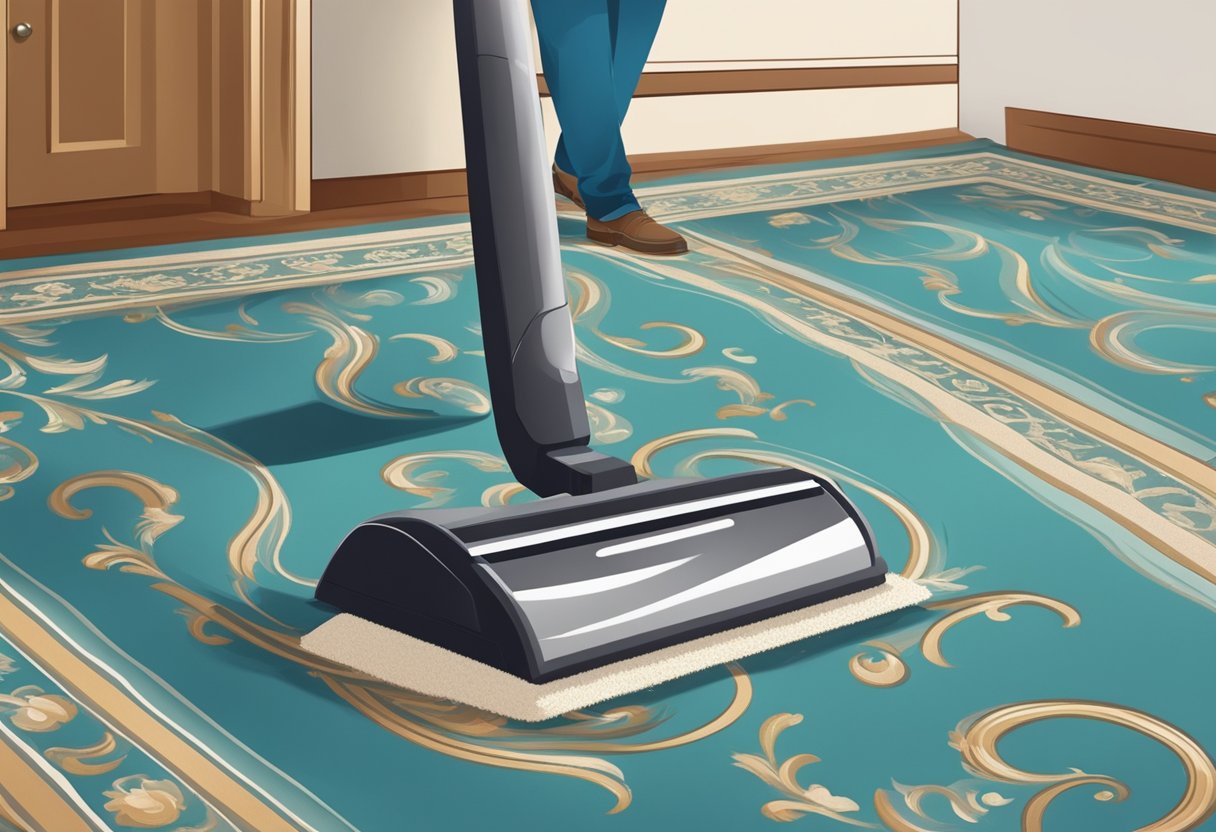
Carpets that remain damp for too long not only feel unpleasant but also become a breeding ground for bacteria and allergens. A fast-drying cleaning method helps maintain the carpet’s integrity, ensuring it looks and feels fresh longer. By choosing a method that minimizes moisture, you’re investing in the longevity and health of your living space.
Many homeowners might overlook this detail, thinking a clean carpet is a job well done. The real challenge, however, lies in managing the drying process post-cleaning. Efficient, quick-drying techniques prevent long-term damage and the inconvenience of avoiding certain areas of your home, making everyday living smoother and more comfortable.
Understanding the Basics of Carpet Cleaning
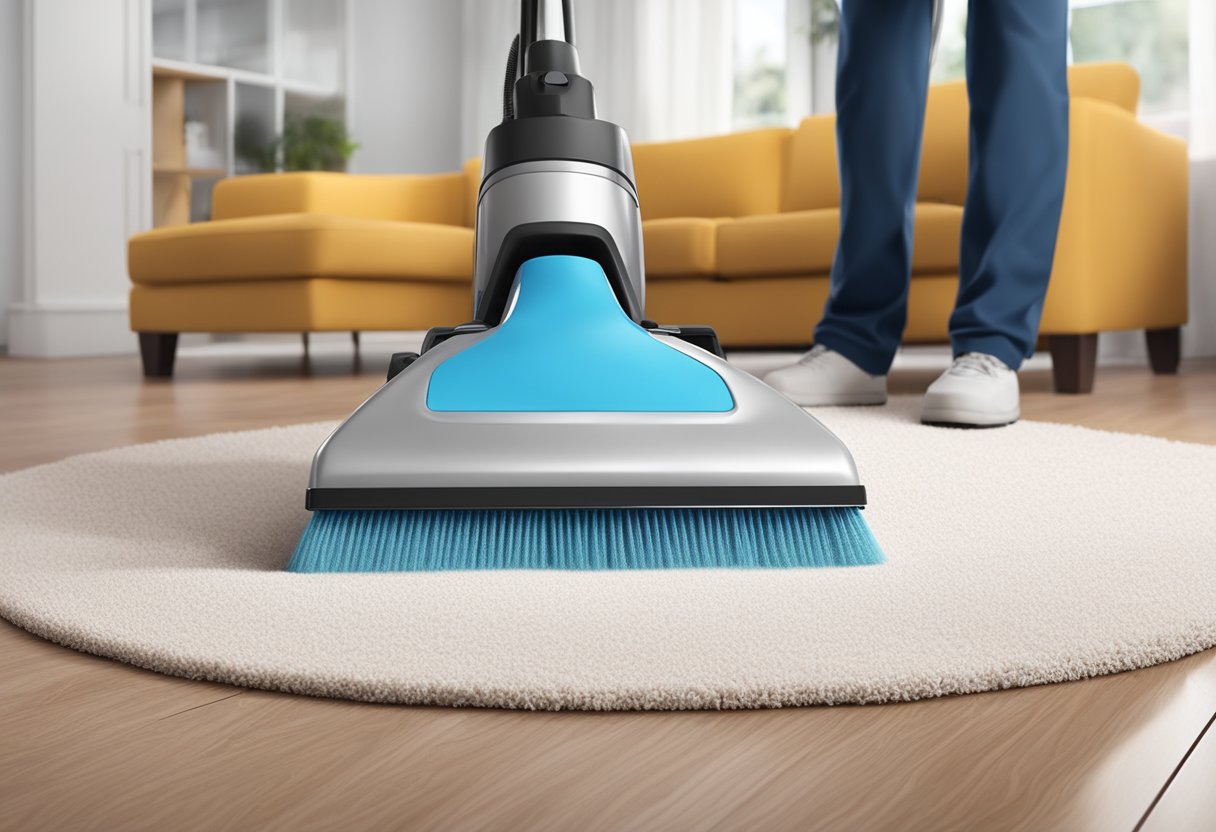
When it comes to keeping carpets clean and fresh, understanding the essentials can make a big difference. From the importance of fast-drying techniques to knowing the specific needs of different carpet fibers, each detail plays a significant role in effective carpet care.
Why Fast-Drying Is Crucial
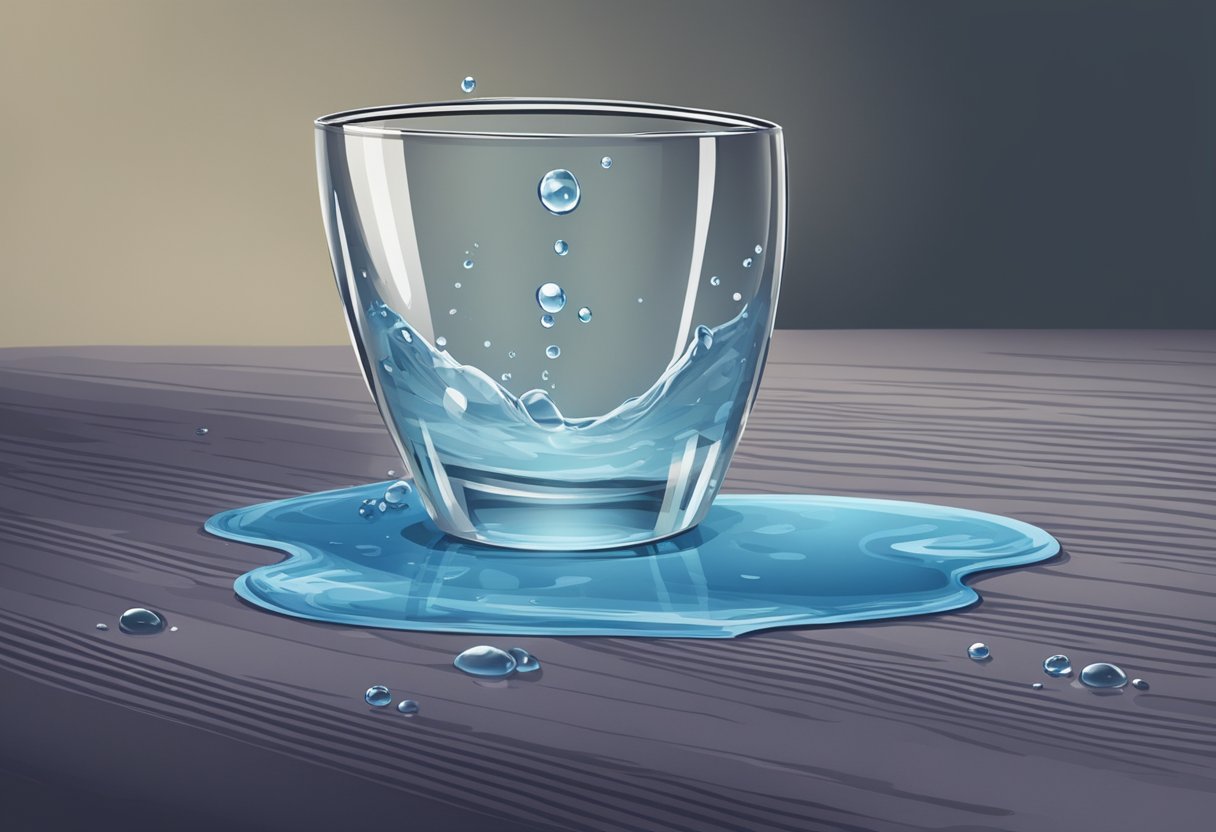
Fast-drying methods are essential in carpet cleaning because they prevent mold and mildew growth, reduce downtime, and enhance the overall appearance of the carpet. Imagine spilling a glass of water on your wool carpet; if it stays damp for too long, it can not only smell terrible but also damage the fibers.
A dry carpet is less likely to attract dirt and therefore stays cleaner for longer. Plus, a faster drying time can be convenient, allowing rooms to be used again quickly. Blotting techniques with clean towels and proper airflow can speed up this process, helping homeowners and commercial spaces maintain a fresh environment without prolonged moisture exposure.
Types of Carpet Fibers and Their Cleaning Needs
Different types of carpet fibers have unique cleaning needs. Wool is luxurious but requires gentle cleaning methods to avoid damage. Using too much water on wool can make it shrink or cause it to felt, so dry cleaning is often recommended.
Polyester carpet boasts stain resistance and vibrant colors, but it’s prone to oil-based stains. It’s best to use cleaning agents that can break down oils effectively.
Nylon is durable and resilient, making it suitable for high-traffic areas. Nylon carpets often benefit from both dry and wet cleaning methods, depending on the type of stain and dirt accumulation.
Understanding these needs ensures that the right approach is taken, keeping each type of carpet in top condition.
Using the right cleaning methods tailored to specific fibers ensures longevity and maintains the look and feel of the carpet.
The Risks of Leaving Carpets Wet
Leaving carpets wet post-cleaning can lead to several issues, such as mold and mildew growth, as well as degraded indoor air quality. Understanding these risks can help maintain a healthy and comfortable living environment.
Mold and Mildew: Hidden Foes
Mold and mildew thrive in moist environments and can start to develop within 24 to 48 hours of carpet remaining damp. These microorganisms not only damage the carpet fibers but also pose health risks.
Exposure to mold can trigger allergies, respiratory issues, and other health problems. The damp smell from mildew creates an unpleasant indoor environment. Preventing the growth of mold and mildew is crucial for both health and the integrity of carpets.
Impact on Indoor Air Quality
Wet carpets can significantly degrade indoor air quality. The trapped moisture becomes a breeding ground for allergens and bacteria. This can lead to the proliferation of foul odors and health issues like asthma or bronchitis.
Drying carpets promptly ensures that these harmful agents don’t have the opportunity to multiply. Consistent airflow using fans, and dehumidifiers, or opening windows can speed up the drying process and maintain healthier indoor air.
Drying Process Explained
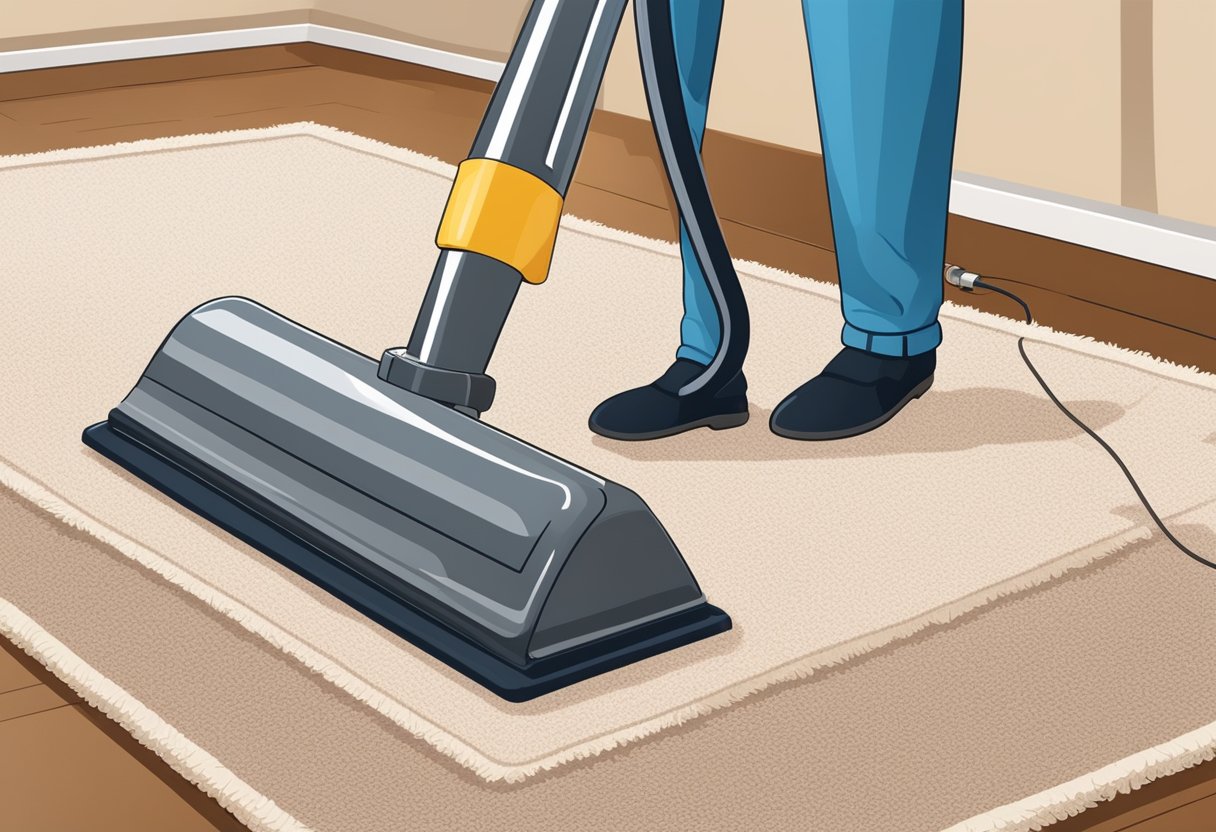
Understanding the drying process is critical for maintaining the longevity and cleanliness of your carpet. Factors like humidity, temperature, and proper equipment can significantly impact the efficiency of drying.
Factors Influencing Drying Time
Various elements contribute to the drying time of carpets. Humidity plays a pivotal role; higher humidity levels can prolong the drying process. Temperature is another key factor; warmer conditions generally speed up evaporation.
Carpet Material also affects drying time. Natural fibers usually take longer to dry compared to synthetic ones. Weather conditions, such as rain or cold, can further slow down the process.
Carpet Thickness matters too. Thicker carpets retain more moisture, thus needing more time to dry fully.
Equipment Essentials for Efficient Drying
Using the right equipment can drastically improve drying efficiency. Fans and dehumidifiers are essential tools. Fans promote air flow, speeding up moisture evaporation. Dehumidifiers, on the other hand, remove excess moisture from the air, making the environment less humid.
Heaters can further quicken the process by raising the temperature. Air conditioning units can be useful for controlling both temperature and humidity, offering a balanced approach to fast drying.
Professional-grade equipment, like high-powered air movers, can handle larger areas more efficiently than household fans.
Maximizing Air Flow and Ventilation
Proper ventilation is crucial. Opening windows and doors enhances air circulation, helping moisture escape and allowing fresh air to enter. If weather conditions are not favorable, relying on ceiling fans and portable fans can help create air movement.
Strategic placement of fans can direct air flow across the carpet, speeding up the drying process. Dehumidifiers in combination with fans can create the optimal drying environment by reducing ambient humidity levels.
In colder climates, consider using heating equipment to maintain an ideal drying temperature and expedite the process.
By understanding these factors and using the appropriate equipment, you can ensure that your carpet dries quickly and effectively.
Strategies for Fast-Drying Carpet Cleaning
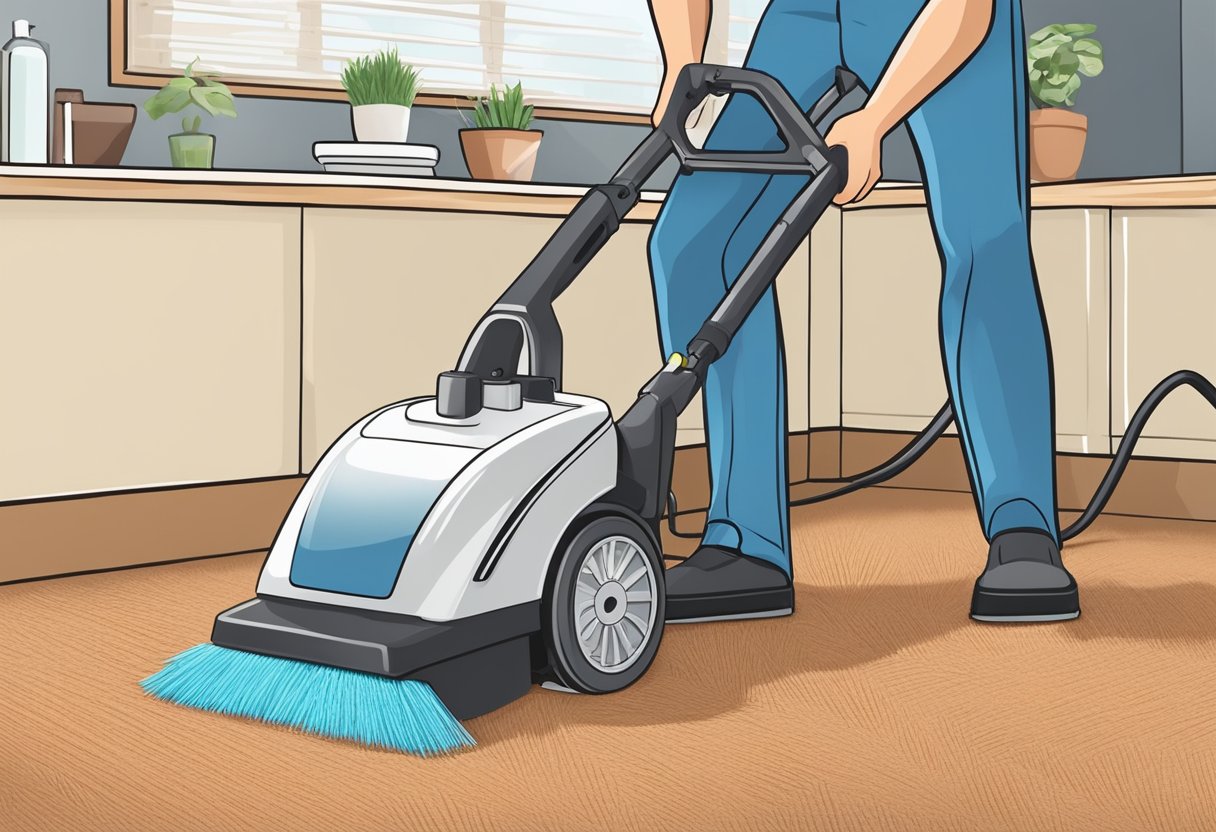
Properly drying carpets after cleaning can prevent issues like mold and mildew growth. This section explores effective methods and tools to speed up the drying process and when professional assistance might be necessary.
Effective Cleaning Methods for Speedy Drying
Different carpet cleaning methods can significantly impact drying times. Hot water extraction and steam cleaning are popular but often leave carpets quite wet. To counteract this, follow up these methods with vacuuming to remove as much water as possible.
Dry carpet cleaning uses minimal moisture and specialized compounds, making it a quick-drying option. Meanwhile, shampooing should be supplemented with effective rinsing to avoid leaving excess water and soap in the carpet fibers.
DIY Approaches to Reduce Drying Times
Home remedies can also hasten carpet drying. Immediately after cleaning, use a fan or blow-dryer to circulate air over the damp areas.
For even faster results, place a dehumidifier in the room to extract moisture from the air. Blotting with dry towels can also remove surface-level moisture.
Sprinkling baking soda over the carpet can absorb liquid and eliminate odors. After a few hours, vacuum it up for a drier, fresher carpet.
When to Call for Professional Help
Sometimes DIY methods may not suffice. If the carpet remains persistently damp or if there is a noticeable smell, professional help is advisable.
Experts have specialized equipment, including high-power extractors and professional-grade dehumidifiers, which are more effective than household tools. They also have the training to properly handle different carpet types, ensuring a thorough yet fast drying process.
Professionals can also treat carpets to prevent long-term issues like mold and bacterial growth, offering peace of mind.
Preventative Measures and Maintenance
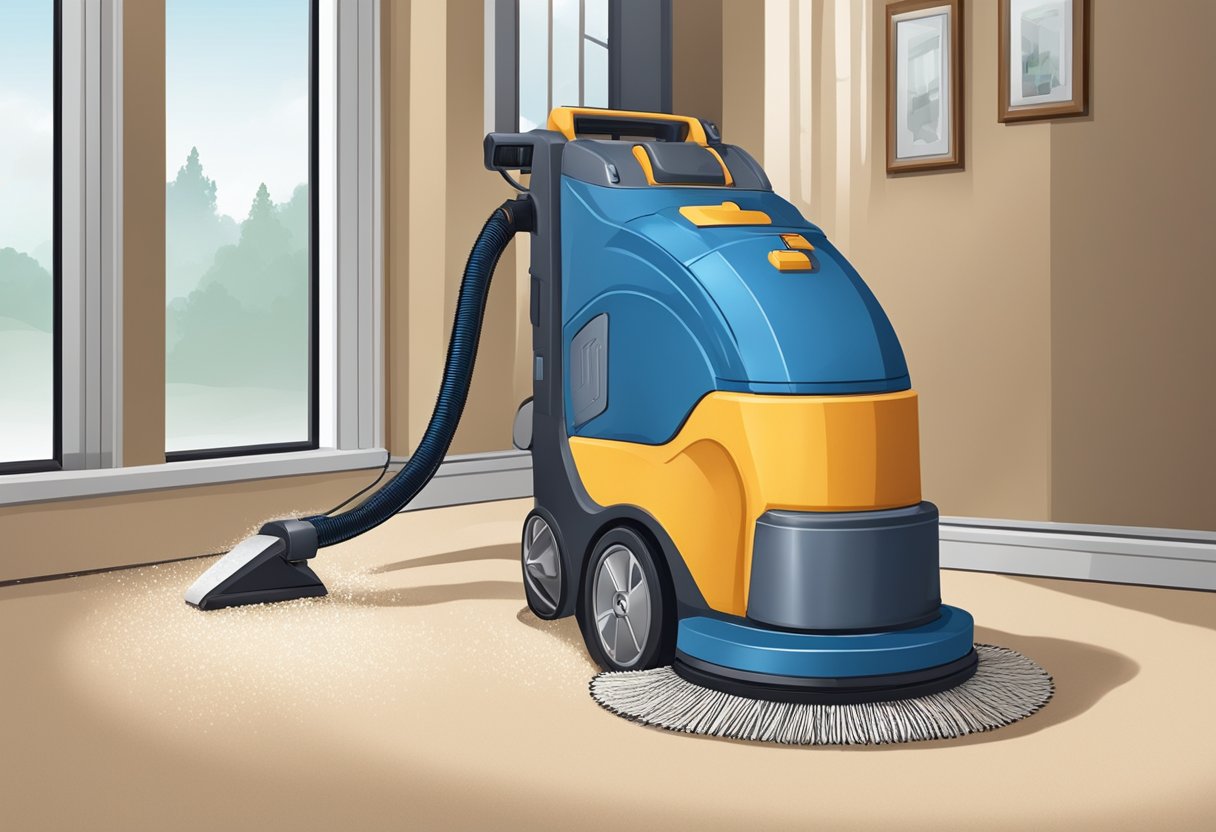
Proper carpet care involves regular cleaning routines, selecting the right equipment, and maintaining an environment that extends a carpet’s life. These steps help prevent stains, odors, and discoloration, ensuring carpets stay clean and fresh for years.
Regular Cleaning and Immediate Spot Treatment
Regular vacuuming is a cornerstone of carpet maintenance. Frequent vacuuming, ideally once a week, removes surface dirt and debris, preventing particles from embedding into carpet fibers. In high-traffic areas, more frequent vacuuming may be necessary.
Immediate spot treatment is crucial. Addressing spills and stains promptly reduces the risk of permanent discoloration and odors. Blot stains gently with a clean cloth to absorb as much liquid as possible.
For deeper cleaning, products like carpet shampoo or steam cleaners can help remove embedded dirt. Be mindful of the carpet material—wool carpets require different care than synthetic ones.
Choosing the Right Equipment and Cleaning Solutions
Using the appropriate equipment is vital for effective carpet maintenance. A quality vacuum cleaner with strong suction power and appropriate attachments helps clear dirt from both low and high carpet piles. For professional-quality cleaning, consider using a deep clean machine like a shop vacuum or a steam cleaner.
Choosing the right cleaning solutions also matters. For natural fiber carpets, opt for gentle, pH-balanced cleaners to avoid damage. Synthetic carpets can handle stronger solutions but always test a small area first to avoid discoloration.
Investing in equipment like box fans can expedite the carpet drying process, preventing shrinkage and mold growth.
Creating an Ideal Environment for Carpet Longevity
Creating the right environment contributes significantly to carpet longevity. Place doormats at entry points to reduce the amount of dirt and moisture tracked onto carpets. Rearrange furniture periodically to avoid uneven carpet wear and to allow for thorough cleaning of previously covered areas.
Control the room’s humidity and temperature to aid carpet maintenance. After a cleaning session, ensure adequate ventilation to promote fast carpet drying, using tools like box fans or dehumidifiers. Be alert for flood risks and take immediate action to dry carpets thoroughly if spills or leaks occur.
By following these measures, you protect your investment and maintain the beauty and functionality of your carpets.
Why Choose Really Happy Feet?
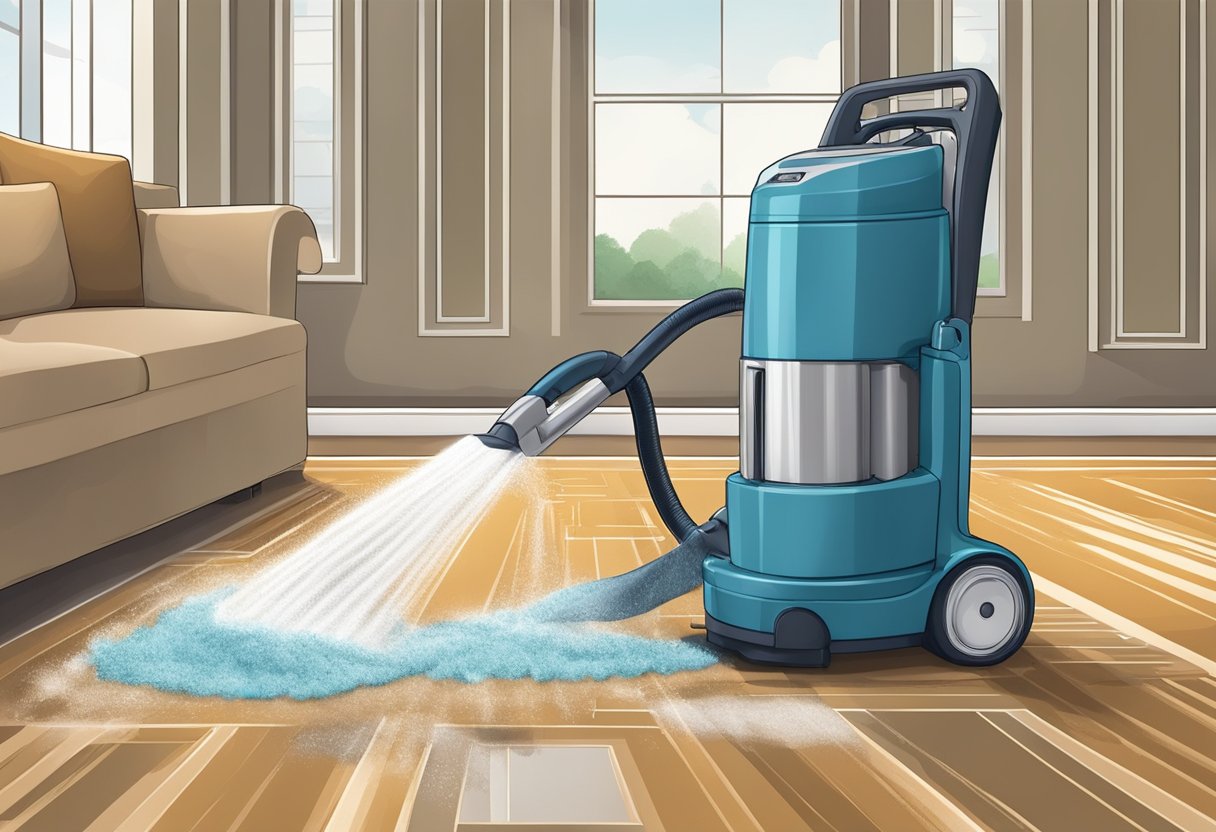
At Really Happy Feet, we stand out by using an all-natural cleaning formula combined with a unique friction method. This deep-cleaning process is unmatched in removing tough stains and dirt. Unlike steam cleaning, our method ensures your carpets dry within just 3 to 7 hours, so you can enjoy your refreshed home almost immediately.
We take pride in our thorough and efficient approach, ensuring no corners are cut. Every cleaning session includes a complimentary deodorizer, leaving your carpets smelling fresh. For added protection, you can opt for our Teflon treatment, which creates an extra layer of defense against future spills and stains, preventing them from seeping into the carpet fibers.
At the end of every session, we conduct a final walkthrough with you to ensure complete satisfaction. If any concerns arise, we encourage direct contact with the owner to guarantee your happiness with the results. At Really Happy Feet, we offer a satisfaction guarantee because we believe every client deserves to feel valued and heard.
To learn more about our deep-cleaning process, visit Really Happy Feet. Our approach not only cleans but also protects and preserves the beauty of your carpets, making us the perfect choice for your carpet cleaning needs.

One Response
Hi, this is a comment.
To get started with moderating, editing, and deleting comments, please visit the Comments screen in the dashboard.
Commenter avatars come from Gravatar.